Trusted by industry leaders









Downtime directly impacts sales. Zabbix proactively detects issues with point-of-sale systems, payment gateways, inventory systems, and online stores by continuously monitoring infrastructure, applications, and business transactions — then alerting IT teams before failures impact customers.

By ensuring system availability and performance via real-time monitoring, proactive alerting, and deep visibility across infrastructure, applications, and services, Zabbix makes sure that fast checkouts, reliable digital signage, accurate pricing, and responsive mobile apps work as designed and improve the in-store and online customer experience.

Thanks to a combination of continuous monitoring, intelligent trigger evaluation, automated notifications, and escalation workflows, Zabbix can provide customizable alerts that notify teams when latency or overload thresholds are breached. This shortens repair time and minimizes revenue loss during peak hours.

By turning raw monitoring data into actionable insights. Zabbix helps retailers understand current system behavior, spot bottlenecks early, and forecast future needs for seasonal peaks like holidays, promotions, or flash sales, avoiding under- or over-provisioning in the process.

Downtime directly impacts sales. Zabbix proactively detects issues with point-of-sale systems, payment gateways, inventory systems, and online stores by continuously monitoring infrastructure, applications, and business transactions — then alerting IT teams before failures impact customers.
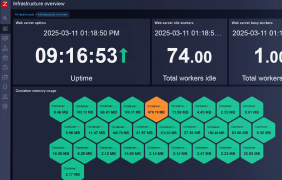
Thanks to Zabbix’s ability to combine flexible visualization tools with business logic, service maps, and KPI-oriented widgets, retail IT teams can create bespoke dashboards tailored to store managers, operations teams, or executives can easily translate technical metrics into business-relevant insights.

By collecting data from hosts, logs, network traffic, and external systems, Zabbix can monitor security-related metrics such as unauthorized changes, unusual traffic patterns, or failed login attempts. This allows it to support compliance requirements and reduce risk in the process.
thanks to being open source and requiring no licensing fees.
as retailers add new stores, devices, or services.
of terminals, networks, kiosks, warehouses, e-commerce platforms, and more.
with ITSM tools, cloud platforms, containers, and automation workflows.
that can be used to optimize infrastructure investment and forecast growth needs.
which directly improves customer satisfaction and brand reputation.